
In October the mornings get colder and colder, and many drivers head to the tyre shop. The rule of thumb in the trade is that once the average daily temperature stays below 7 °C, winter tyres grip better and stop shorter. But after the change there's always the same question: where should the summer set go for the next six months?
Many people keep their tyres on the balcony, in the stairwell, in a corner of the garage or in the cellar. Several of these, however, actively harm the tyre. In this article we've put together how to store tyres properly so they're still safe in spring, and when it's worth putting them into storage.
Why does it matter how you store your tyres?
A tyre is a complex material. The rubber compound ages under the effect of time, light, heat and ozone: it hardens, loses its elasticity, and hairline cracks can appear. A badly stored tyre can lose grip even if the tread is still deep. Since the tyres are the only point where the car touches the road, this directly affects your safety.
Improper storage can also cause deformation. If you keep tyres without rims lying flat and stacked for months, the bottom ones can lose their shape and be harder to balance when fitted.
The ground rules of tyre storage
1. Clean them before the change
Wash the removed tyres, take out any stones stuck in the tread, and let them dry completely. Road salt, oil and dirt keep eating into the tyre and the rim during storage.
2. Mark their positions
Use chalk or a label to write on each wheel where it came off: front left (FL), front right (FR), rear left (RL), rear right (RR). This makes it easier to rotate the wheels in spring so they wear evenly.
3. Check their condition
Now is a good time to check the tread depth and the age of the tyre. The last four digits of the DOT code on the sidewall show the week and year of manufacture (for example, 2321 means week 23 of 2021). If the tyre is many years old, cracked or low on tread, you'll need a new one in spring anyway, so there's no point storing it.
4. Choose a cool, dry, dark place
The ideal place is:
- cool but not freezing, without large temperature swings;
- dry and damp-free, because moisture damages the rim and the inner layers of the tyre too;
- dark, because UV radiation speeds up the ageing of rubber;
- away from heat sources (boiler, radiator, water heater);
- away from ozone-producing equipment, such as electric motors, compressors and welders;
- free of chemicals: no solvents, fuel or oil nearby.
5. Store them in the right position
- Tyres without rims: store them upright, and it's worth turning them slightly every four weeks so they aren't always loaded at the same point. Don't store them stacked flat for long periods.
- Wheels on rims: you can stack them flat (no more than four) or hang them up by the rim. Don't store them upright for long periods.
6. Cover them, but not airtight
A tyre storage bag or a dark, breathable cover protects them from dust and light. Under completely airtight plastic, however, condensation can settle.
Why not the balcony, the stairwell or the cellar?
Balcony: sunlight, UV radiation, rain, frost and large temperature swings. Almost everything that harms the rubber compound. On top of that, many blocks of flats ban it in their house rules.
Stairwell or shared corridor: under fire safety regulations, nothing may be stored on escape routes, because it gets in the way in an emergency. It can also easily cause conflict with your neighbours.
Cellar: many cellars are damp and musty, and rodents are not uncommon either. If the cellar is dry and cool, it may be suitable, but it's worth monitoring that over a whole year.
Garage: this can be a good choice if it's dry and the tyres aren't near the compressor, welder or heating. Often, though, there isn't even enough room in the garage for the car.
When is it worth putting your tyres into storage?
If you don't have a place at home that meets the criteria above, or you simply don't want to keep the tyres in your flat, a warehouse is a practical solution. Especially if:
- you live in a block of flats without a garage or storeroom;
- you need to store tyres for several cars in the family;
- you'd like to store other seasonal items alongside the tyres (garden furniture, bicycles, skis, Christmas decorations);
- they're premium or large tyres that you want to take particular care of.
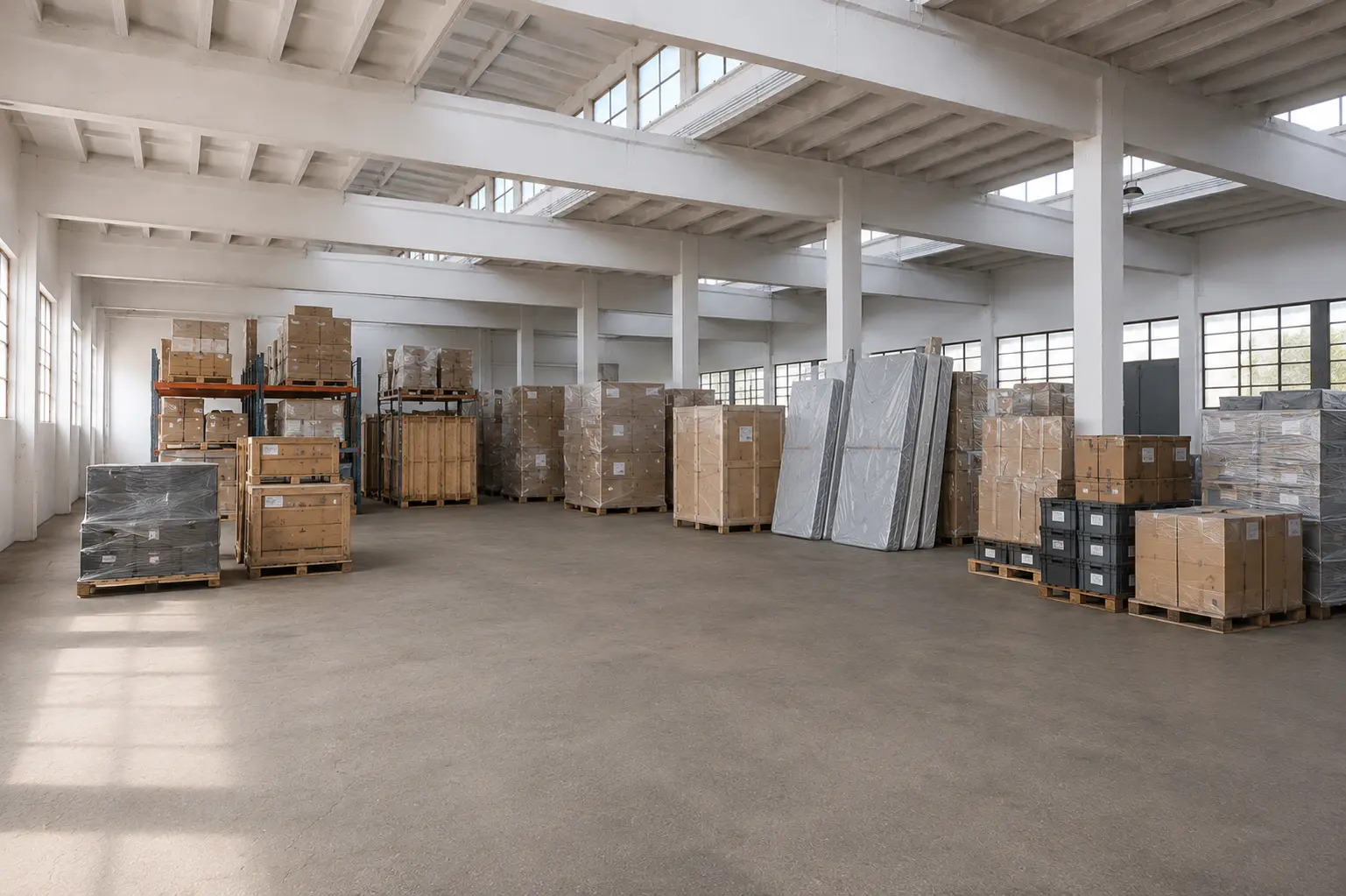
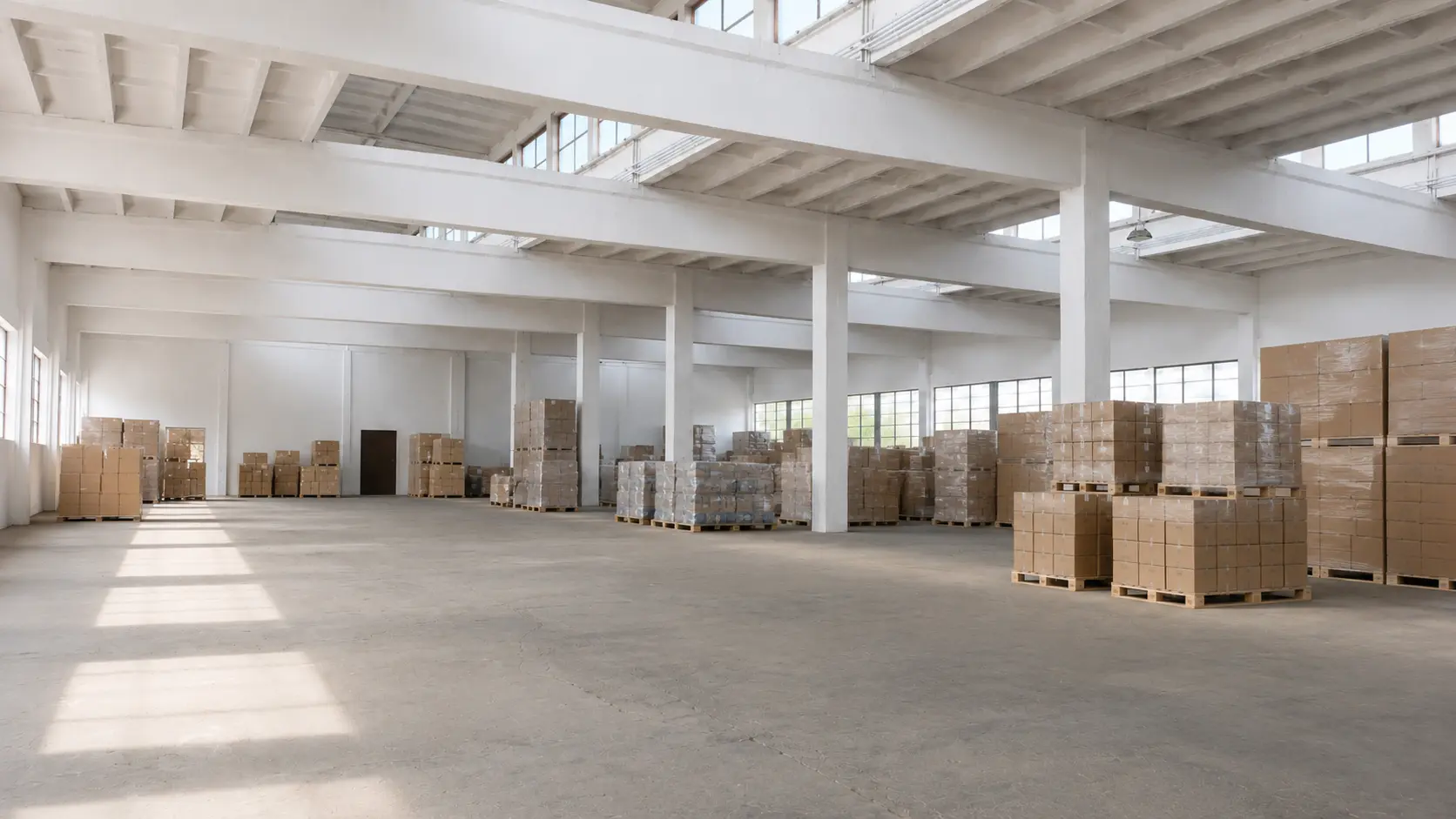
At ZedStore's warehouse you can rent space from 1 m², and you only pay for the space you actually use. A set of tyres typically takes up less than that, so you can use the remaining area for other seasonal items. The warehouse is dry, damp-free and rodent-free, with 24/7 security, CCTV and property insurance. We've written about storing garden furniture over winter in detail in Winter storage for garden and terrace furniture.
Please note: we don't change tyres, we store them securely. The change is done at your usual tyre shop, and you can bring the tyres to the warehouse yourself, or we can collect them with our man-and-van service.
For businesses: the seasonal peak for tyre shops and fleets
For tyre shops and car dealerships, October–November and March–April are the busiest periods. At these times their own storage capacity is often not enough: customers' tyres, seasonal stock and new tyres all take up space at once. It's similar for company fleets: tyres for dozens of cars need changing and storing twice a year.
A good solution for this peak is temporary warehouse space that can be expanded flexibly and reduced at the end of the season. At ZedStore both pallet storage and per-square-metre space rental are available, with daily, weekly and monthly billing. If this interests you, take a look at our services for businesses.